嘀嗒嘀logo.png)
Struggling with complex FBA shipping? The wrong logistics partner can lead to surprise costs, delays, and stockouts, hurting your business. You need a partner who sees the bigger picture.
Choosing the right 3PL means finding a partner who understands FBA's unique rules, helps you manage total costs beyond just freight rates, and proactively protects your inventory continuity. They should be your reliable problem-solver, especially when things go wrong, ensuring your business keeps running smoothly.
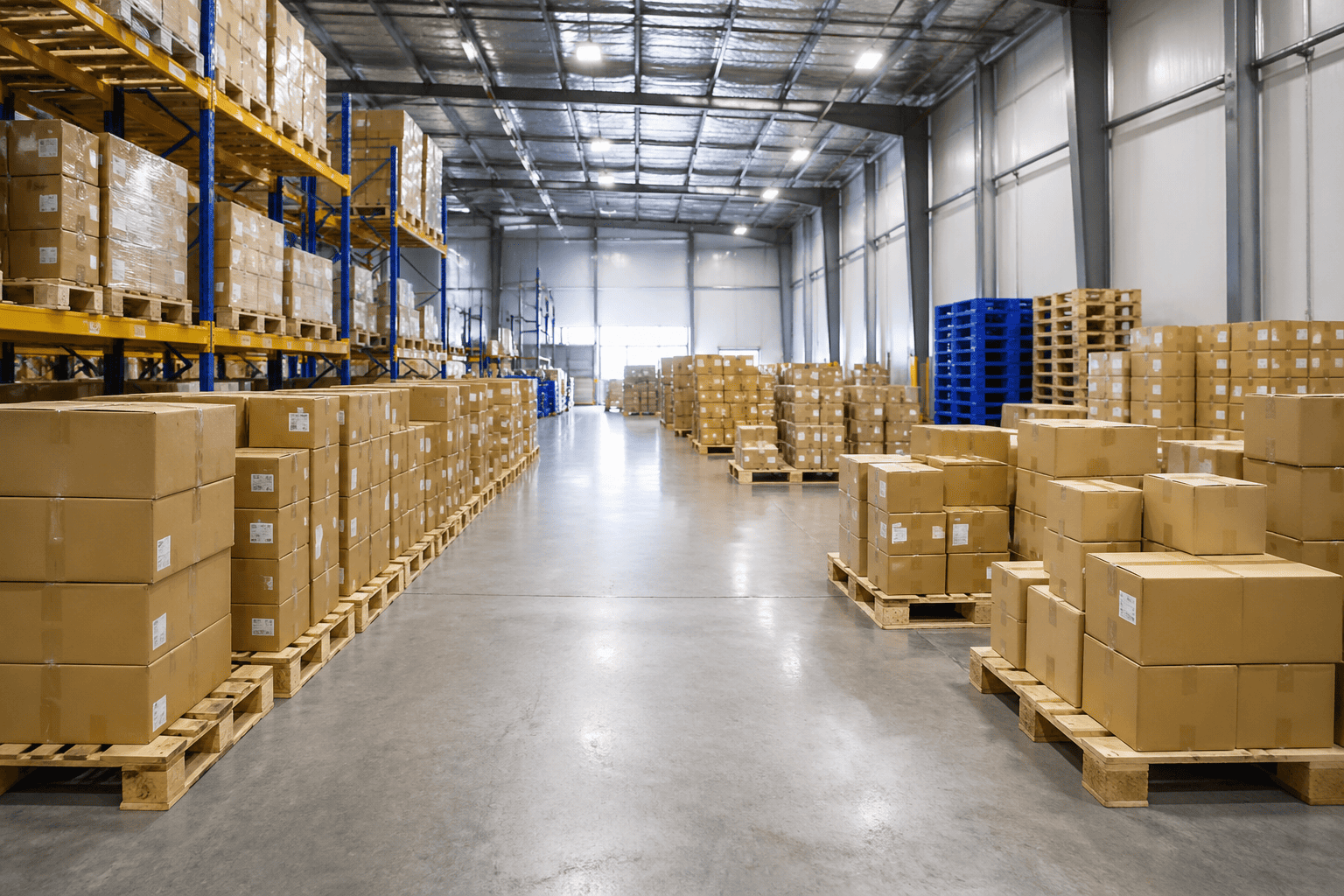
Choosing a third-party logistics (3PL) provider is one of the biggest decisions you'll make as an FBA seller. It's not just about moving boxes from China to an Amazon warehouse. It's about finding a true partner who can help you navigate the complexities of global trade, protect your brand's reputation, and enable your growth.
A great 3PL gives you peace of mind, allowing you to focus on what you do best: sourcing great products and selling them. Let's explore what you should really be looking for.
Is Cheaper Shipping Actually Costing You More?
Tempted by a low per-kilogram freight quote? Those initial savings often disappear when hidden fees, customs delays, and storage charges pile up, ultimately shrinking your profit margins.
Focus on the "total landed cost," not just the freight rate. A transparent 3PL provides a clear breakdown of all potential expenses, including duties, customs fees, drayage, and last-mile delivery, giving you a true picture of your shipping expenses and protecting your bottom line.
According to research from the Chartered Institute of Procurement & Supply (CIPS), international procurement strategies often fail when they overlook the Total Landed Cost (TLC). The true cost of global sourcing must integrate duties, local drayage, and even currency risk. Without this visibility, a "cheap" quote is merely a temporary delay of bad news that can erode your entire profit margin.
When I first started, I was always hunting for the lowest shipping price. I thought I was being smart, saving a few hundred dollars here and there. But I quickly learned a hard lesson. A cheap quote often only covers the port-to-port movement. It conveniently leaves out many other charges that you will have to pay.
The final bill was always a shock. The right 3PL partner should help you understand every single cost involved in getting your product from the factory floor to an Amazon fulfillment center. This includes everything from pickup and consolidation to duties and final delivery appointment fees. A good partner is an open book.
Here’s a simple comparison of what to look for:
| Cost Component | The "Cheap" Quote | The Transparent 3PL Quote |
|---|---|---|
| Ocean/Air Freight | $2,000 | $2,200 |
| Origin Charges | Included | Included |
| Customs Clearance | Not Mentioned | $150 |
| Duties & Taxes | "Payable by you" | Estimated $800 |
| Port Drayage | Not Mentioned | $400 |
| FBA Appointment Fee | Not Mentioned | $100 |
| Total Estimated Cost | $2,000+ ??? | $3,650 |
As you can see, the "cheap" option leaves you guessing, while the transparent option gives you control over your budget.
How Can Your 3PL Protect Your Sales and Rankings?
Have you ever run out of stock right before a major sales event? The resulting lost sales are painful, but the damage to your product ranking and wasted ad spend is even worse.
A strategic 3PL does more than move boxes; they protect your inventory continuity. By helping you choose the right shipping mode—sea, air, rail, or a split shipment—they ensure your products arrive on time, preventing stockouts and safeguarding your sales momentum and BSR.
The cost of a stockout goes far beyond missed revenue. Landmark retail research by Gruen and Corsten indicates that 14% of consumers will rarely return to a brand after experiencing an "out-of-stock" (OOS) event.
For brand manufacturers, the potential loss of brand equity can reach as high as 50%. This "substitution effect" on Amazon means your BSR drops while your competitors' climb, forcing you to pay a massive premium in PPC costs just to regain your organic position.
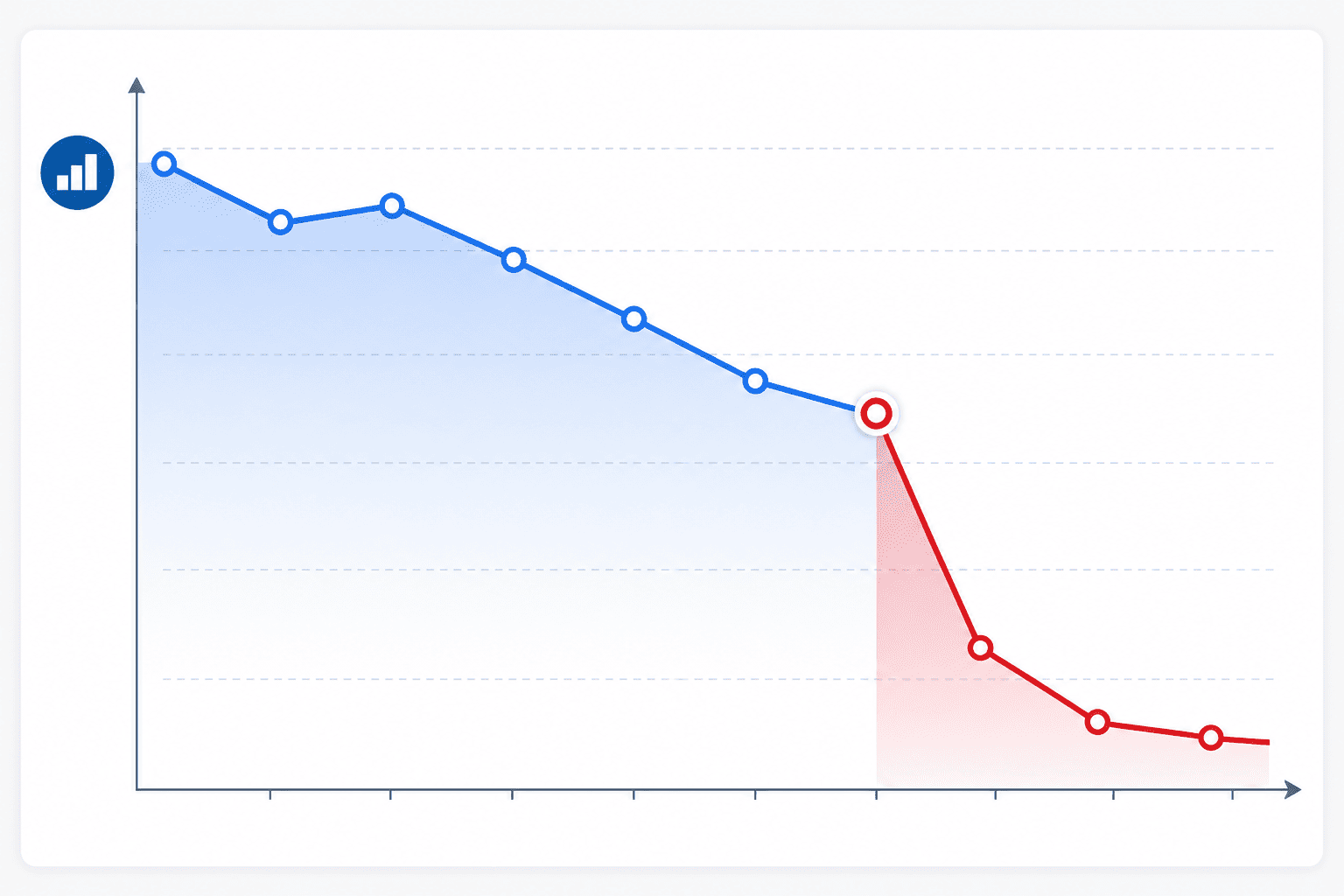
A stockout on Amazon is a disaster. Your 3PL should be your first line of defense against this. They are not just a freight forwarder; they are your supply chain partner. I work with my clients to build a shipping plan that matches their sales velocity. We don't just default to the cheapest option.
We look at the calendar, anticipate demand, and decide on the best strategy together. Sometimes, that means shipping the bulk by sea and a smaller, urgent portion by air to keep sales flowing.
Here’s how we typically decide on the best mode:
| Shipping Mode | Best For | Key Consideration |
|---|---|---|
| Ocean Freight | Large, non-urgent replenishment shipments | Lowest Cost, Longest Time |
| Air Freight | Urgent restocks, new product launches, peak season | Highest Cost, Fastest Time |
| China-Europe Rail | A balance of cost and speed for EU sellers | Faster than sea, cheaper than air |
| Split Shipment | Maintaining stock while the main shipment is at sea | Mitigates stockout risk |
Why Does Your 3PL Need to Specialize in FBA?
You sent a shipment to Amazon, but it was rejected at the fulfillment center. Now it's sitting in a truck, you're being charged daily fees, and you have no idea why.
Generic freight forwarders often don't understand Amazon's strict requirements. An FBA-specialist 3PL knows the rules inside and out, from specific labeling and palletizing to booking delivery appointments, preventing costly rejections and ensuring your inventory is checked in smoothly.
Compliance is a critical pillar of logistics excellence. As noted in the Cambridge Handbook of Compliance, non-compliance with industry or platform standards creates "logistic inefficiencies" and triggers the bullwhip effect.
On Amazon, this translates to rejected shipments and administrative fees that directly punish your bottom line. An FBA specialist avoids these problems from the start, ensuring 100% compliance with Amazon's latest guidelines.
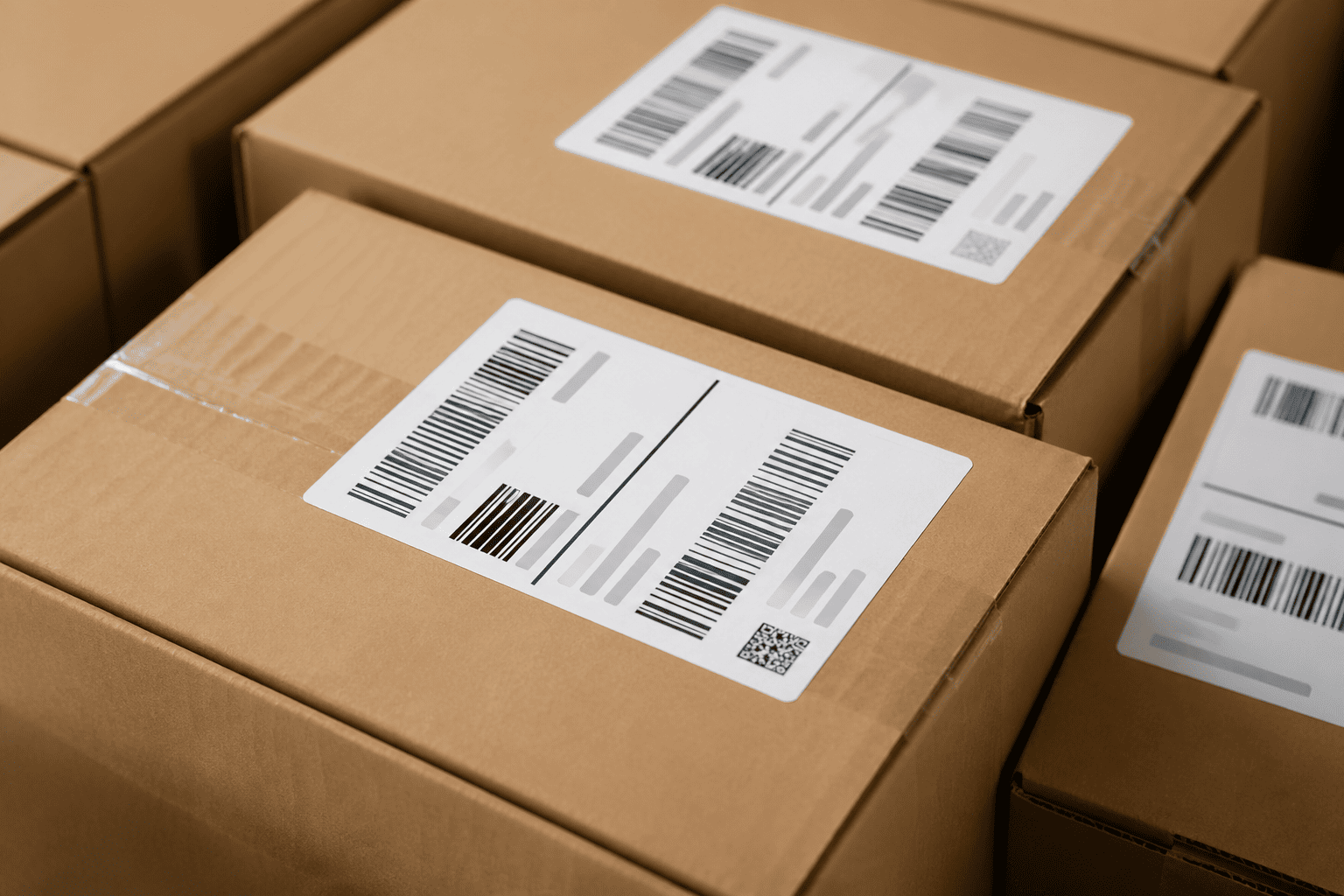
An FBA specialist helps with:
- Correct Labeling: Ensuring every unit and carton has the right FBA labels.
- Proper Palletizing: Building pallets to Amazon's exact height, weight, and wrapping specifications.
- Flawless Appointments: Using the correct portals (Carrier Central) to book delivery slots.
- Overseas Buffering: Using private warehouses to drip-feed inventory and avoid long-term storage fees.
What Happens When Your Shipment Faces Problems?
Your container has been flagged for a customs inspection, and your current forwarder just says "we are waiting for an update." Days turn into weeks, and you're left completely in the dark.
A strong 3PL proves its worth when things go wrong. They don't just report problems; they manage them. With proactive communication, backup plans, and deep expertise, they navigate challenges like customs holds or port congestion to minimize delays and keep you informed.
Recent logistics modeling on supply chain resilience emphasizes the importance of "robust optimization." This means having a partner who can dynamically reroute or combine transport modes when faced with travel time uncertainty.
A great 3PL doesn't just wait for a typhoon to pass; they have the infrastructure to divert cargo to an overseas warehouse, re-process it, and find the next available delivery window.
In logistics, problems are inevitable. A customs exam, a port strike, a typhoon—the difference between a good 3PL and a bad one is how they respond. A bad partner disappears; a great partner picks up the phone. For example, if a shipment misses its FBA delivery appointment due to port delays, we don’t just wait.
We immediately divert the container to one of our nearby warehouses, store it safely, and book the next available slot. This turns a potential disaster into a manageable one- or two-day delay.