嘀嗒嘀logo.png)
Worried about sending large payments to China? Scared that a scammer might intercept your money, leaving you with nothing? It’s a common fear that can cripple your business.
To prevent payment fraud, you must treat sourcing as a complete process, not single transactions. Verify every step, from quotation to final payment, and cross-check all documents for inconsistencies before you transfer any funds.

I once had a client who lost a $50,000 deposit. They did everything "right"—they checked the supplier's website and even got a sample. But they missed one tiny detail in an email, and the money was gone forever. The truth is, payment fraud isn't a single event; it's a chain of small, overlooked mistakes. Let's break down how these chains are formed and how you can break them before they break you.
Are Freight Documents Enough to Prove Your Payment is Safe?
You just received a draft Bill of Lading from your supplier. Feeling relieved that your shipment is real? This false sense of security is exactly what scammers count on.
No, freight documents alone are not fraud-proof. A tracking number or a Bill of Lading only confirms a logistics event. It doesn't prove the supplier is legitimate, the goods are correct, or that the bank account you're paying is theirs.
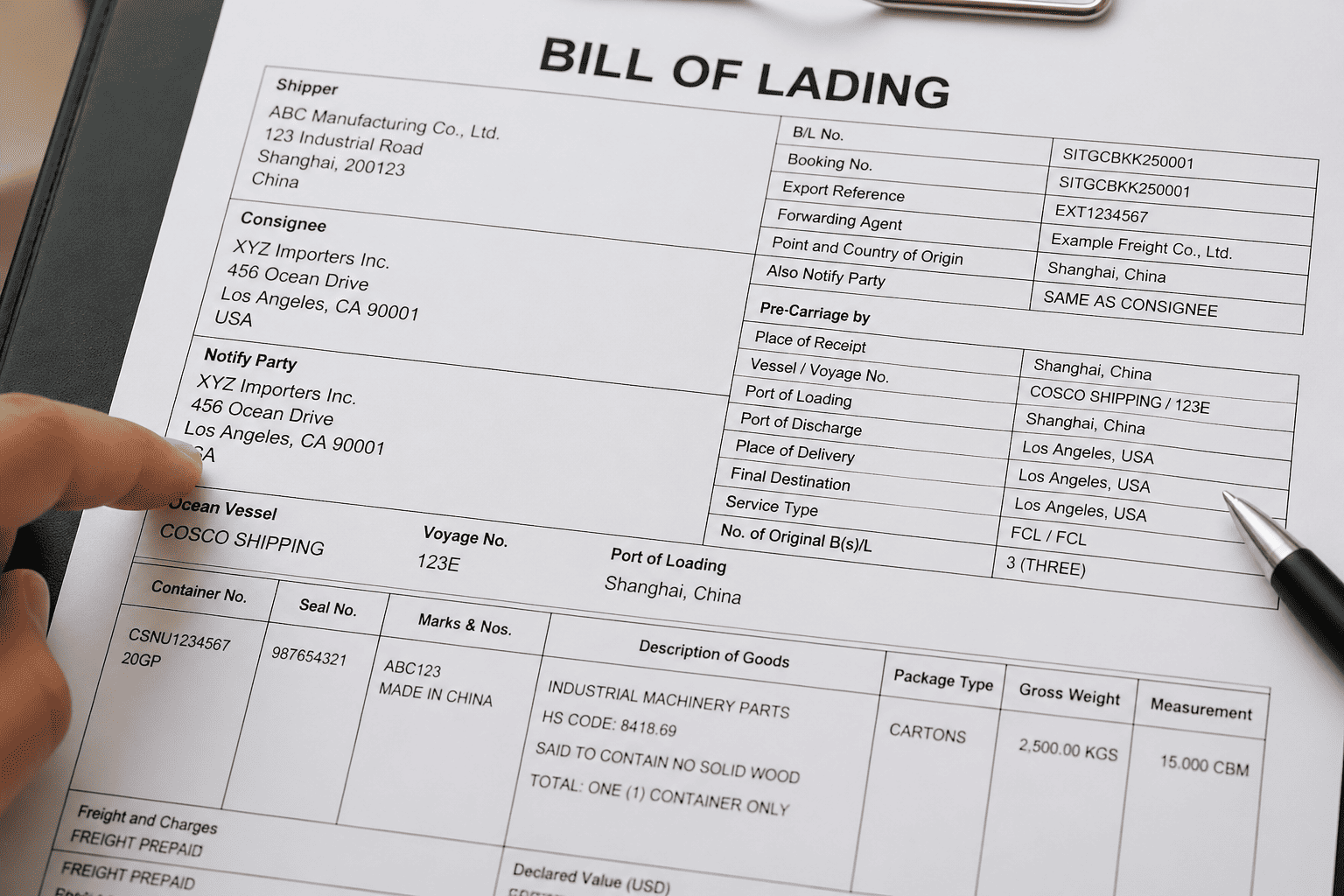
Many buyers believe that once they have a shipping document, their money is safe. This is a dangerous misunderstanding of international trade law. According to the United Nations Commission on International Trade Law (UNCITRAL), a Bill of Lading (B/L) is a document of title, but it operates on the principle of "apparent good order."
It does not verify the identity of the seller or the actual contents of a sealed container. In professional terms, Bill of Lading Fraud can involve scammers issuing genuine-looking documents for non-existent goods or empty containers just to trigger the final payment.
What a Bill of Lading Really Confirms
A B/L is a legal document, but it only confirms that a carrier has received cargo as described by the shipper. It does not verify the shipper's identity, the contents of the container, or the legitimacy of the transaction behind it.
I saw a case where a scammer booked an empty container just to get a valid B/L number. The buyer paid the final balance, and the scammer disappeared. The container arrived completely empty.
Your Best Defense
The safest way to operate is to have your trusted freight forwarder handle the booking. When we manage the shipment, we control the issuance of the Bill of Lading. This means we verify that the shipper on the document is your actual, verified supplier. It cuts the scammer out of the communication loop entirely and ensures the paperwork reflects reality, not a fabrication.
How Can Document Inconsistencies Reveal a Payment Scam?
Juggling multiple documents from your supplier can be confusing. Overlooking a small mismatch in an address or name seems harmless. But this tiny error could be a massive red flag.
Inconsistencies are a scammer's biggest mistake. A freight forwarder can spot fraud by cross-referencing details on the proforma invoice, packing list, and bank information. If the company name or beneficiary doesn't match perfectly, stop the payment.
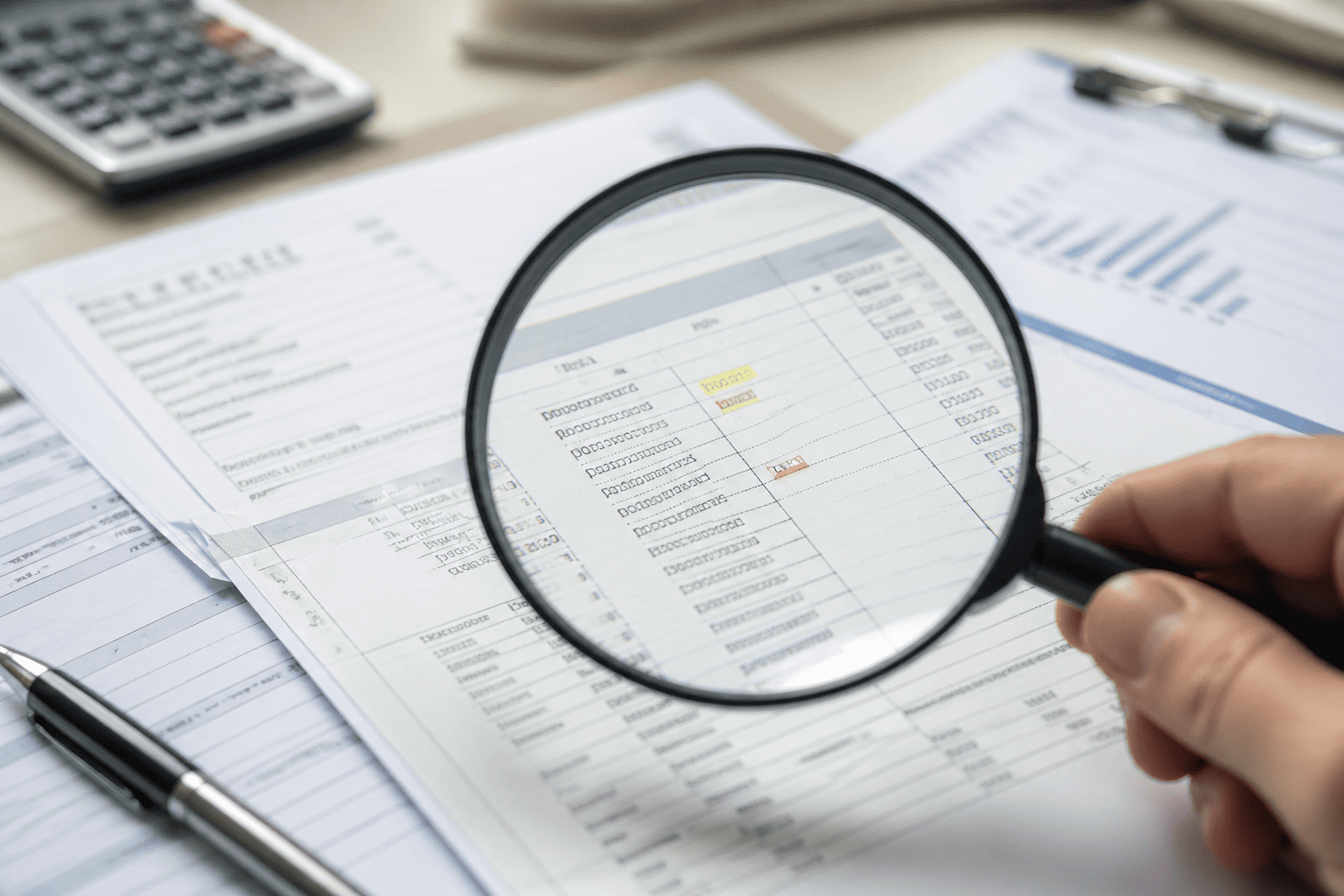
The most common tactic we see is the Business Email Compromise (BEC). This is a global threat; the FBI's Internet Crime Complaint Center (IC3) identifies BEC as one of the most financially damaging online crimes, often targeting businesses that work with foreign suppliers. Scammers gain access to a supplier's email, monitor your order, and then send a modified invoice with their own bank details at the perfect moment.
The Power of Cross-Verification
This is where a detail-oriented logistics partner is your best defense. We had a client whose supplier's email was compromised. The hacker sent an updated invoice with a new bank account. The company name was slightly different—"Co., Ltd" instead of "CO., LIMITED". In international compliance, these minor variations in a company's suffix are classic red flags for fraudulent offshore accounts. That one phone call saved our client $80,000.
Your Fraud Prevention Checklist
Always check these key details across all documents before sending any money. Any mismatch is a reason to pause and verify directly with your supplier over the phone.
| Document | Key Information to Verify | Common Red Flag |
|---|---|---|
| Proforma Invoice | Beneficiary Name, Bank Account, Company Address | The beneficiary name does not perfectly match the supplier name. |
| Packing List | Shipper Name and Address | The shipper is listed as a different company than your supplier. |
| Bill of Lading | Shipper/Consignee Details | Details do not match the Commercial Invoice or your PO. |
| Bank Details | Beneficiary Name & Address | The bank is located in a different city or country than the factory. |
| Email Communication | Email domain, spelling in signature | A sudden change from a corporate domain to a public one like Gmail. |
Is Payment Fraud Only About Losing Money?
You think payment fraud is just about losing a deposit. But what if it also means missing your peak sales season? The real cost goes far beyond the initial cash loss.
No, the risk is much bigger. For any importer, payment fraud destroys cash flow, delays inventory, and can cause you to lose control of your cargo. This leads to stockouts, missed sales opportunities, and brand damage.
The initial financial loss from fraud is painful, but the secondary effects are often terminal for a business. Academic research on supply chain disruptions shows that companies often suffer long-term drops in shareholder value and brand trust following a major supply failure. When you lose your capital to a scam, you aren't just losing cash; you are losing your market position.
The Domino Effect of a Failed Payment
When a payment is lost, your capital is gone. Your production timeline resets to zero. I worked with a retailer who lost their entire Christmas inventory budget to a scam in August. They not only lost the money but also missed the entire Q4 sales rush, which was 60% of their annual revenue.
Impact on Amazon Sellers
For an Amazon seller, a stockout is a nightmare. Your Best Seller Rank (BSR) plummets, and your product listing loses all its momentum. It can take months of marketing spend to regain your position, if you ever do. Meanwhile, your competitors happily take your sales.
Impact on Wholesalers and Retailers
For wholesalers and brick-and-mortar retailers, fraud means empty shelves and broken promises to your own customers. It damages the hard-won relationships you have with retail partners and erodes customer trust in your brand. The financial loss from the scam is just the start of your problems.
Conclusion
Protecting your capital isn't about one magic trick. It's about a rigorous, detail-oriented process. By verifying every document and trusting your logistics partner, you can secure your supply chain.