嘀嗒嘀logo.png)
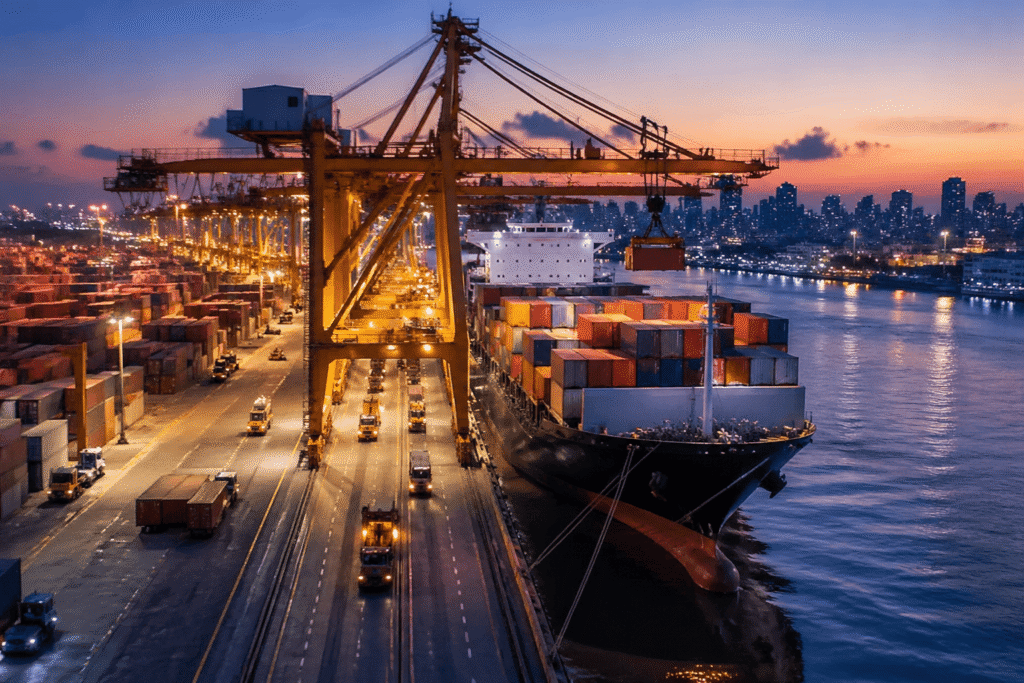
A CBP inspection notice brings your shipment to a halt. You fear stockouts, angry customers, and mounting fees. The key is proactive management, not impossible guarantees that some might offer.
You can't prevent all customs inspections. The best way to "resolve" them is to minimize risk beforehand with perfect documentation and partner with a forwarder who can expertly coordinate all parties if a hold happens. This turns a crisis into a managed process.
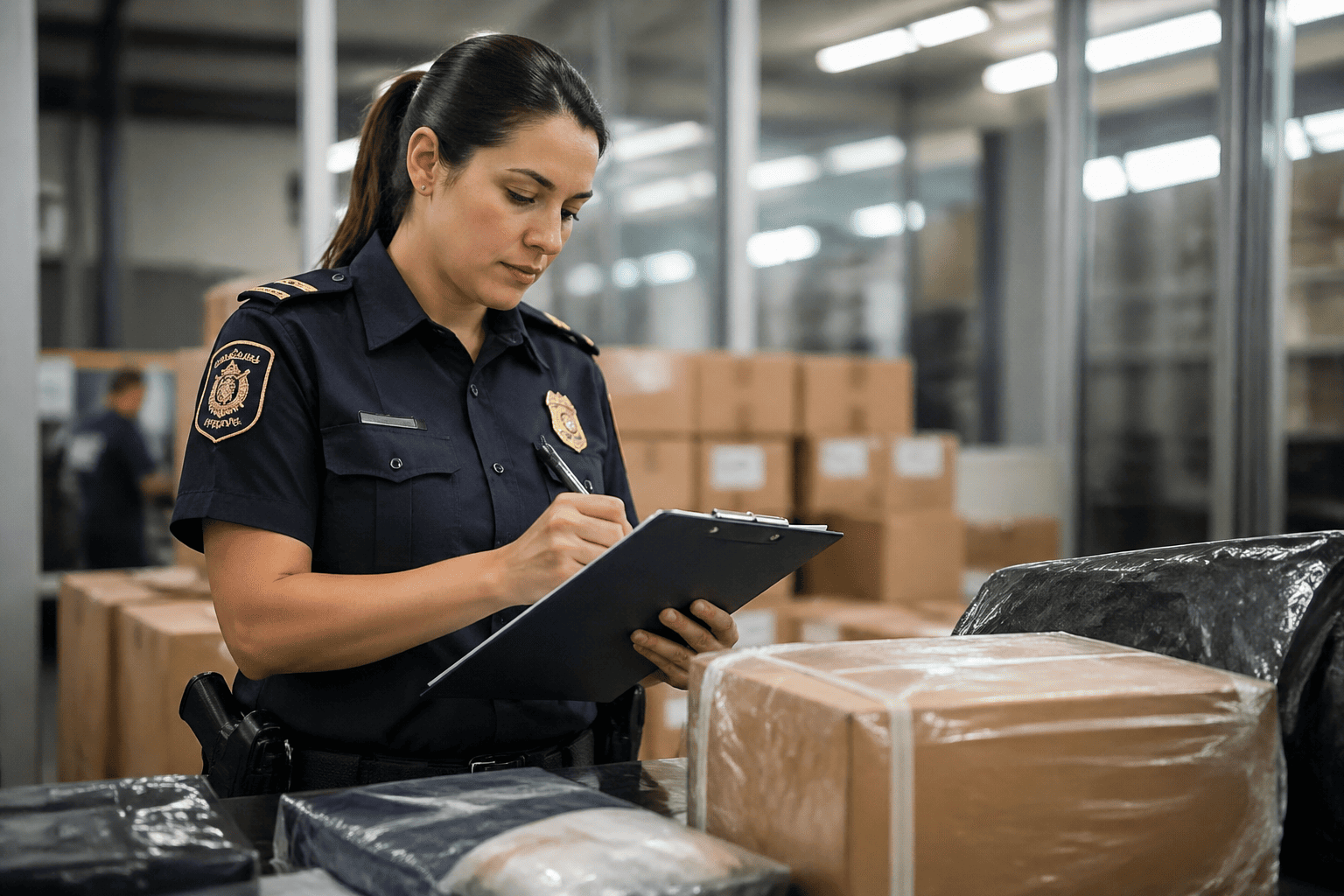
When a client asks me how we "resolve" customs inspections, the first thing I do is redefine the word "resolve." In logistics, it doesn't mean making the problem disappear entirely. U.S. Customs and Border Protection (CBP) has a job to do, and inspections are a necessary part of it.1
A true resolution means building a supply chain that is resilient enough to handle these events when they occur. It's about shifting your mindset from prevention to preparation. Let's break down what this really means for your business. It's not about magic wands; it's about smart, proactive supply chain management that protects your bottom line.
Can freight forwarders really guarantee no customs inspections?
Some forwarders promise smooth sailing and no inspections. This sets you up for major disappointment when a hold inevitably happens. The reality is that you need to understand customs enforcement.
No. A freight forwarder cannot guarantee your shipment will not be inspected by Customs and Border Protection (CBP).2 Inspections can be random or triggered by specific regulations.3 A professional forwarder's job is to manage risk, not offer impossible promises.

I've seen clients come to us after being burned by promises of "guaranteed clearance." Let's be very clear: U.S. Customs and Border Protection (CBP) has the final authority. Their primary mission is to protect the country, and physical or document inspections are a fundamental tool they use every day.
Some inspections are completely random, like a lottery system that selects a container for a routine check. Others are targeted based on the commodity, the shipper's history, the country of origin, or new enforcement initiatives like the Uyghur Forced Labor Prevention Act (UFLPA).4 A forwarder who claims they can bypass this system is not being truthful. Our role at DIDADI is to be your dedicated risk manager.
We ensure your paperwork is so clean, consistent, and complete that it doesn't raise any unnecessary red flags. But if a random or targeted inspection occurs, our value shifts to managing the process efficiently, communicating clearly, and minimizing the impact on your timeline and budget. It's about setting realistic expectations and having a robust plan.
What's the best way to prepare for a potential customs hold?
Incomplete or vague shipping documents are a huge red flag for CBP. Even small, unintentional mistakes can lead to very long and expensive delays. The solution is to get your paperwork perfect before the container even leaves China.
The most effective strategy is a thorough pre-shipment review. Ensure your commercial invoice, packing list, and bill of lading are perfectly aligned. Key details like the HS code, product description, and declared value must be accurate and consistent across all documents.5

The solution to customs problems in the US often starts thousands of miles away, back at the factory in China. We call this critical process "moving the solution upstream." Before we even book a container, my team works directly with the shipper to review every single piece of documentation. It’s a simple checklist, but it’s incredibly powerful in preventing avoidable delays.
We check everything from the product name to the declared value. A vague description like "plastic goods" is a common trigger for inspection.6 It needs to be specific, like "polypropylene children's toy building blocks, model #XYZ." This detailed approach makes the customs broker's job easier and gives CBP officers the clear, consistent information they need to make a quick decision. Here is the core of our pre-shipment review:
Pre-Shipment Document Checklist
| Document Element | Why It Matters for a Smooth Clearance |
|---|---|
| Specific Product Name | Avoids ambiguity; must match precisely across all documents. |
| Correct HS Code | Determines duties, taxes, and flags potentially restricted items.7 |
| Realistic Declared Value | Under-valuing is a major red flag for CBP and can lead to severe penalties.8 |
| Detailed Packing List | Confirms carton counts, weights, and contents, verifying the shipment's integrity. |
| Compliance Documents | For items like toys or electronics, having FDA/FCC/CPSIA documents ready is essential.9 |
A customs hold seems like just a delay on a tracking website. But for your business, the costs can quickly spiral out of control. You must understand the full financial impact to better manage your risk.
The true cost goes far beyond the inspection fee.10 You face demurrage at the port, storage fees at the exam site, and trucking re-booking charges.11 For sellers, the biggest hits are lost sales from stockouts and missing key selling windows.

I once had a client whose FBA shipment of seasonal Halloween decorations got held for an exam in early October. The inspection itself was straightforward, but the process took two weeks. By the time it was released and delivered to Amazon, the peak selling season was over. The inspection fee was a few hundred dollars, but the lost revenue from dead inventory was tens of thousands.
This is the real, painful cost of a customs hold. It’s a supply chain disruption with a massive ripple effect that goes far beyond the initial government fee. The port terminal starts charging demurrage fees for the container. The exam site charges its own storage and handling fees. These costs pile up daily.
Your trucker has to reschedule, often at a higher peak-season rate. If you're an Amazon seller, you miss your FBA delivery appointment, which can push your receiving date back weeks and even lead to chargebacks. The real issue isn't the hold; it's the stockout, the missed sales, and the damage to your brand's reputation.
Who manages all the moving parts during a customs hold?
When a shipment is held, multiple parties are involved: the port, CBP, the exam site, the trucker. Trying to coordinate everyone yourself is a nightmare of phone calls and emails. A good forwarder acts as your single point of contact.
Your freight forwarder should be the central coordinator. They communicate between the shipper in China, your customs broker, the customs exam site, the warehouse, and the trucking company to ensure everyone has the correct information and to get your cargo moving again.

During a customs hold, communication chaos is the enemy. The system is naturally fragmented. Your customs broker talks to CBP. The port terminal talks to the drayage trucker. The Centralized Examination Station (CES) has its own schedule and procedures.12 As the importer, you can feel stuck in the middle, trying to piece together conflicting information. This is where our "Control Tower" approach at DIDADI becomes so critical.
We act as the single throat to choke, the central coordinator for all parties. The moment a hold is flagged in our system, we immediately notify you with a clear explanation and action plan. We then get to work. We coordinate with the customs broker to provide any requested documents to CBP.
We arrange the drayage to and from the exam site. We get daily updates on the release status and then immediately coordinate with the trucking provider to secure a new FBA delivery appointment. It's about managing a complex, multi-party process so you can focus on your business, not on chasing down seven different people for an update.
An official CBP page can verify CBP’s mission and explain why cargo examinations are part of customs enforcement. ↩
A government source describing CBP’s legal authority to examine imports supports the point that a forwarder cannot override or guarantee against inspection. ↩
CBP or government oversight sources can support the claim that cargo examination selection can involve risk targeting and other enforcement triggers. ↩
CBP/DHS guidance can confirm that forced-labor enforcement and risk indicators may affect shipment review and detention. ↩
CBP or USITC guidance can verify that classification, valuation, and product descriptions are required elements in import entry documentation. ↩
CBP import documentation guidance can support the need for precise product descriptions and explain why vague descriptions cause review problems. ↩
USITC, CBP, or WCO/WTO materials can substantiate that tariff classification determines duty treatment and may identify regulated goods. ↩
CBP guidance or the customs penalty statute can support that false valuation may result in enforcement action and penalties. ↩
Agency guidance from CPSC, FCC, and FDA can verify that regulated goods may need certificates, authorizations, or import compliance records. ↩
Government or port authority resources can support that inspections and delayed pickup may generate demurrage, detention, storage, and related costs. ↩
FMC and port/CES information can verify the types of fees that may accrue when containers are delayed for examination. ↩
CBP or port authority documentation can confirm the role of CES facilities in customs cargo examinations and their procedural requirements. ↩