嘀嗒嘀logo.png)
High shipping costs are eating into your profits. You hunt for the lowest rate, but hidden fees keep surprising you. It's time to look beyond the basic freight quote.
Maximizing freight savings in 2026 means looking at your total landed cost, not just the freight rate. It requires smart mode selection, advance planning, and optimizing operational details like packaging. This holistic approach protects your profits and delivery schedules.

I've been in this business for years, and I see so many sellers make the same costly mistakes. They get laser-focused on a single number, like the per-kilogram rate, and completely miss the bigger picture. This narrow view almost always leads to unexpected bills and painful delays down the line. Let's break down how you can avoid these common pitfalls and start building a shipping strategy that truly saves you money on your China-US shipments. It's about being smarter, not just cheaper.
Is the Lowest Freight Rate Really the Lowest Total Cost?
You found a fantastic per-CBM rate online. But then destination fees, duties, and surcharges piled up, completely destroying your budget. You need to understand your total landed cost from the start.
No, the lowest freight rate is rarely the lowest total cost. FBA sellers often forget customs duties, destination terminal handling charges (DTHC), last-mile delivery fees, and potential storage costs. A cheap ocean rate can lead to expensive delays and surprise bills, eroding your profit margin.
Academic research supports this reality. A study highlighted by Northwestern University's Kellogg School of Management emphasizes that minimizing your Total Landed Cost (TLC) requires accounting for hidden factors like working capital and inventory holding costs. When you ignore these comprehensive metrics, sudden spikes in destination and storage fees will completely nullify your initial freight "savings."

When you get a quote, you have to ask what it includes. Many online quotes only cover the port-to-port ocean journey. They conveniently leave out all the other charges that hit you once the ship arrives in the US. I call this the "iceberg effect" – you only see the small part on the surface. The real danger is what lies beneath. These hidden costs can sometimes double your expected expense. To protect your business, you need full visibility into the total landed cost. This means accounting for every single step from the factory floor in China to the Amazon fulfillment center in the US.
Beyond the Ocean Rate: Uncovering Hidden Fees
Let's look at a real-world comparison. A lowball quote might seem attractive, but an all-inclusive quote from a transparent partner gives you cost certainty.
| Cost Component | "Cheap" Quote (Port-to-Port) | All-In Quote (Door-to-Door) |
|---|---|---|
| Ocean Freight | $2,000 | $2,200 |
| Origin Charges | Not Included | Included |
| Customs Brokerage | Not Included ($300+) | Included |
| Duties & Tariffs | Not Included (Variable) | Estimated & Included |
| Destination Port Fees | Not Included ($500+) | Included |
| Last-Mile Delivery | Not Included ($800+) | Included |
| Estimated Total | $2,000 + ??? | $3,800 (Example) |
As you can see, the initial $200 saving on freight is quickly erased by thousands in other fees. A reliable partner will give you a clear, door-to-door price so you can budget accurately and avoid nasty surprises.
How Do You Choose the Right Shipping Mode for Your Cargo?
You're not sure whether to use air or sea freight for your next shipment. Choosing the wrong one means you either miss your sales window or pay way too much for shipping.
The right shipping mode depends on your cargo's value, weight, urgency, and profit margin. Don't just ask "which is cheapest?" Instead, ask "which option gets my product to the customer on time and protects my profit?" It's a strategic decision, not just a cost comparison.
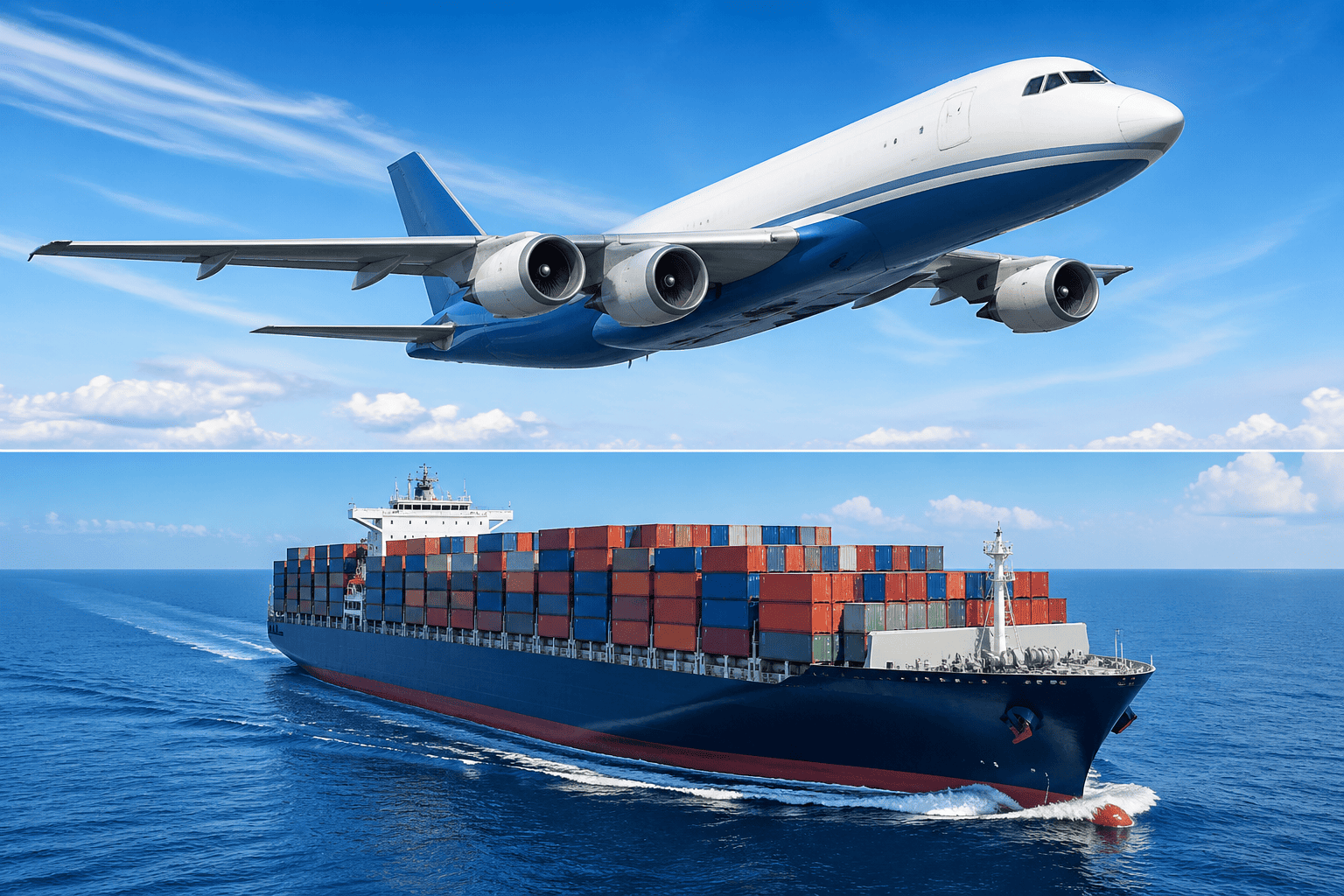
I always tell my clients to think of shipping modes as different tools for different jobs. You wouldn't use a hammer to turn a screw. Similarly, you shouldn't use air freight for low-margin, bulky goods you need in three months. And you definitely shouldn't use standard ocean freight for a time-sensitive product launch. The key is to analyze each shipment's specific needs. What is the product's value? How much profit margin do you have to play with? How quickly do you need to restock? Answering these questions first will guide you to the smartest, most cost-effective choice. It's about aligning your logistics with your business goals.
A Practical Guide to Mode Selection
Let's break down the primary options to help you decide. Each has its place in a well-rounded supply chain strategy.
| Shipping Mode | Speed | Cost Per KG | Best For... |
|---|---|---|---|
| Express Courier | 3-7 Days | Highest | Small, high-value samples or urgent documents. |
| Air Freight | 7-15 Days | High | High-value, low-weight goods; urgent stock replenishment. |
| Ocean FCL | 30-50 Days | Low | Large volume shipments (filling a full container). |
| Ocean LCL | 35-55 Days | Medium | Smaller shipments that don't fill a full container. |
For example, I recently worked with a client launching a new electronic gadget. We used air freight for the initial launch to capture early sales momentum. For all subsequent restocks, we switched to ocean freight to maximize their profit margin. Choosing a DDP (Delivered Duty Paid) service also simplified the process for them, as we handled all customs and duties, providing one clear, all-inclusive price. This is the kind of strategic thinking that saves real money.
Can Advance Planning Actually Save You More Than Last-Minute Bargaining?
You often wait until your goods are ready before you look for shipping options. This forces you to pay high peak season rates and deal with frustrating space shortages and delays.
Absolutely. Advance planning is your most powerful tool for savings. It helps you avoid expensive peak-season surcharges, secure vessel space when it's tight, and bypass port congestion. Last-minute bargaining rarely works in a market with limited capacity; planning gives you control and predictability.
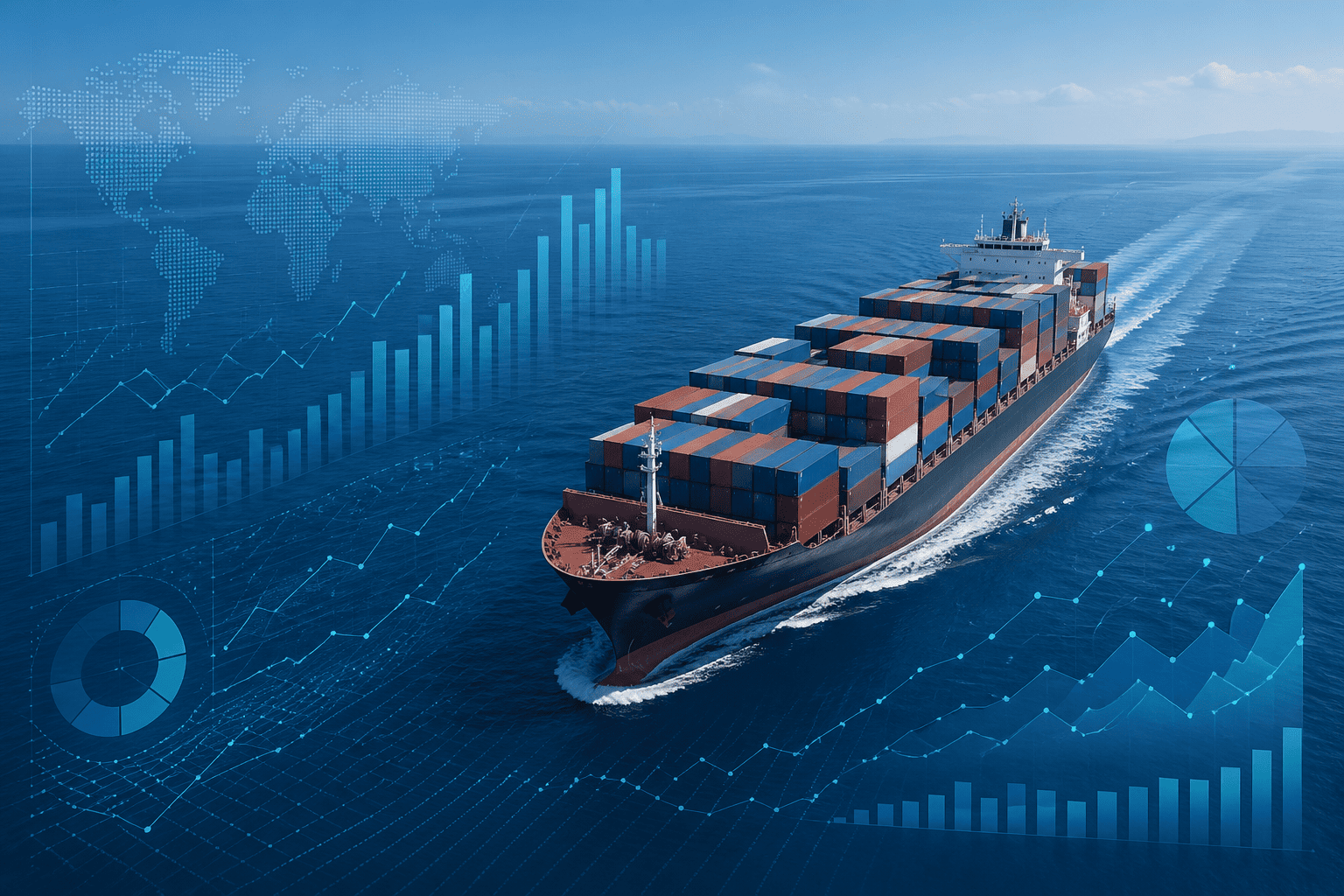
This isn't just industry experience; it's backed by supply chain research. Studies on market volatility, such as those analyzing trade disruptions in the Journal of Business and Management Studies, show that proactive forecasting and advance capacity planning are the most reliable ways to build supply chain resilience. Reactive, last-minute bargaining leaves you fully exposed to market shocks and premium spot rates.
Many sellers think they can get a better deal by negotiating at the last minute. In my experience, the opposite is true. The international freight market is driven by supply and demand. When demand is high, like before a major holiday, carriers don't need to negotiate; they can charge a premium. By planning your shipments weeks or even months ahead, you shift the power back in your favor. You can book space on vessels before they fill up, lock in lower rates, and choose slower, cheaper shipping methods like ocean freight. This proactive approach turns logistics from a reactive cost center into a strategic advantage for your business.
The Power of a Shipping Calendar
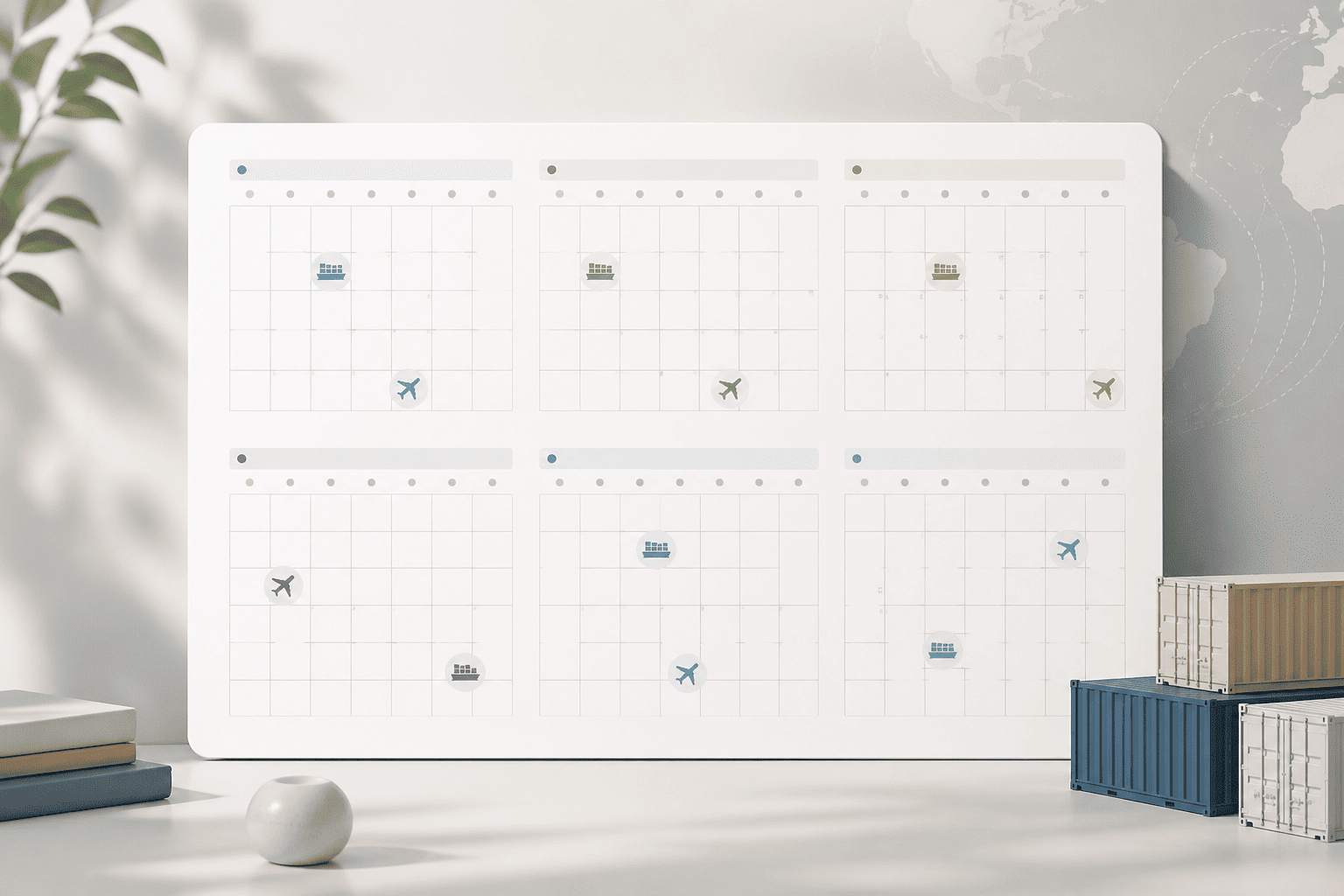
A simple shipping calendar is one of the most effective tools an importer can have. It helps you work backward from your in-stock deadlines to determine when you need to book and ship your cargo. This avoids the need for expensive, last-minute air freight.
Here's a sample timeline for getting holiday inventory ready for Q4 sales:
- May/June: Finalize your purchase orders with suppliers.
- July: Book your ocean freight container space.
- August/Early September: Ship your containers from China.
- October: Your goods arrive in the US, clear customs, and are delivered to Amazon FBA.
- November: Your inventory is checked in and ready for Black Friday and holiday sales.
While we can't predict exact freight rates for 2026, we know that market volatility will continue. Global events can cause sudden price spikes and capacity shortages. A solid plan is your best defense against this uncertainty. It ensures you are always one step ahead.
How Can Small Operational Details Unlock Big Freight Savings?
Your shipping costs feel fixed and completely out of your control. You think you've already done everything you can to lower them, but the bills are still too high.
Small details like your carton size and weight can lead to huge savings. Optimizing your packaging to fit pallets perfectly, avoiding oversized carton fees, and consolidating SKUs can significantly reduce your chargeable weight and volume. These are practical, controllable cost-saving levers you can pull today.
The mathematics behind this is well-documented. Research published in the European Journal of Operational Research regarding the "bin packing problem" demonstrates that optimizing carton dimensions against carrier volumetric weight algorithms significantly reduces total delivery costs. It’s a pure numbers game: less empty space means less chargeable weight.
The most overlooked savings are often found before your shipment even leaves the factory. How your products are packed, boxed, and loaded has a direct impact on your final freight bill. Carriers charge based on either actual weight or volumetric weight (the amount of space a box takes up), whichever is greater. By making your packaging more efficient, you can reduce this chargeable weight and cut your costs without changing your product. I've seen clients save thousands of dollars per container just by redesigning their master cartons. These are not complex changes, but they require attention to detail.
Saving Money Before Your Cargo Leaves the Factory
Here are a few practical areas to focus on that can have an immediate impact on your shipping costs.
- Carton Optimization: Work with your supplier to use master cartons that fit perfectly onto a standard pallet with no overhang. This maximizes space inside the container and reduces the risk of damage. Also, make sure no single carton is over Amazon's weight and dimension limits (typically 50 lbs / 22.5 kg) to avoid expensive FBA penalties.
- Chargeable Weight: For light but bulky products, your freight cost is based on volume, not weight. Look for ways to compress your product or use vacuum-sealed packaging to reduce the carton size. Even a small reduction per carton adds up to significant savings on a large shipment.
- Supplier Consolidation: If you buy from multiple factories in China, don't ship multiple small LCL (Less than Container Load) shipments. Instead, use a consolidation center like ours. We can collect goods from all your suppliers and combine them into a single, cost-effective FCL (Full Container Load) shipment, saving you a fortune on LCL's higher per-CBM rates.
- Incoterms Clarity: Be clear on your shipping terms. Choosing FOB (Free On Board) over EXW (Ex Works) means your supplier is responsible for getting the goods to the port in China. This prevents you from getting hit with unexpected local trucking and port fees.
Conclusion
True freight savings in 2026 will come from a holistic strategy. You must focus on your total landed cost, smart planning, and operational details, not just the base freight rate.