嘀嗒嘀logo.png)
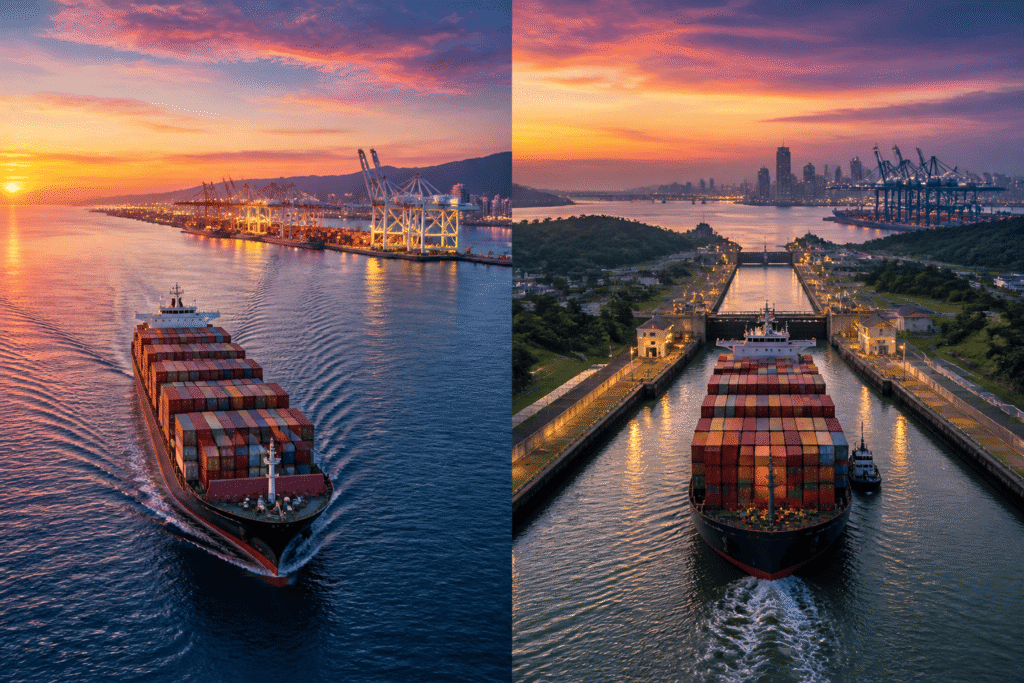
Is US West Coast or East Coast the Right Choice for Your China-US Shipping Strategy?
Shipping to the wrong US coast drains your cash and delays inventory. Making this choice blindly costs thousands in hidden fees. Let us look at the real numbers.
Choosing between the US West Coast and East Coast requires balancing total landed cost1s—including ocean freight, drayage, and Amazon placement fees—against inventory velocity. While the West Coast offers speed, the East Coast avoids high cross-country rail costs for Atlantic-adjacent distribution.
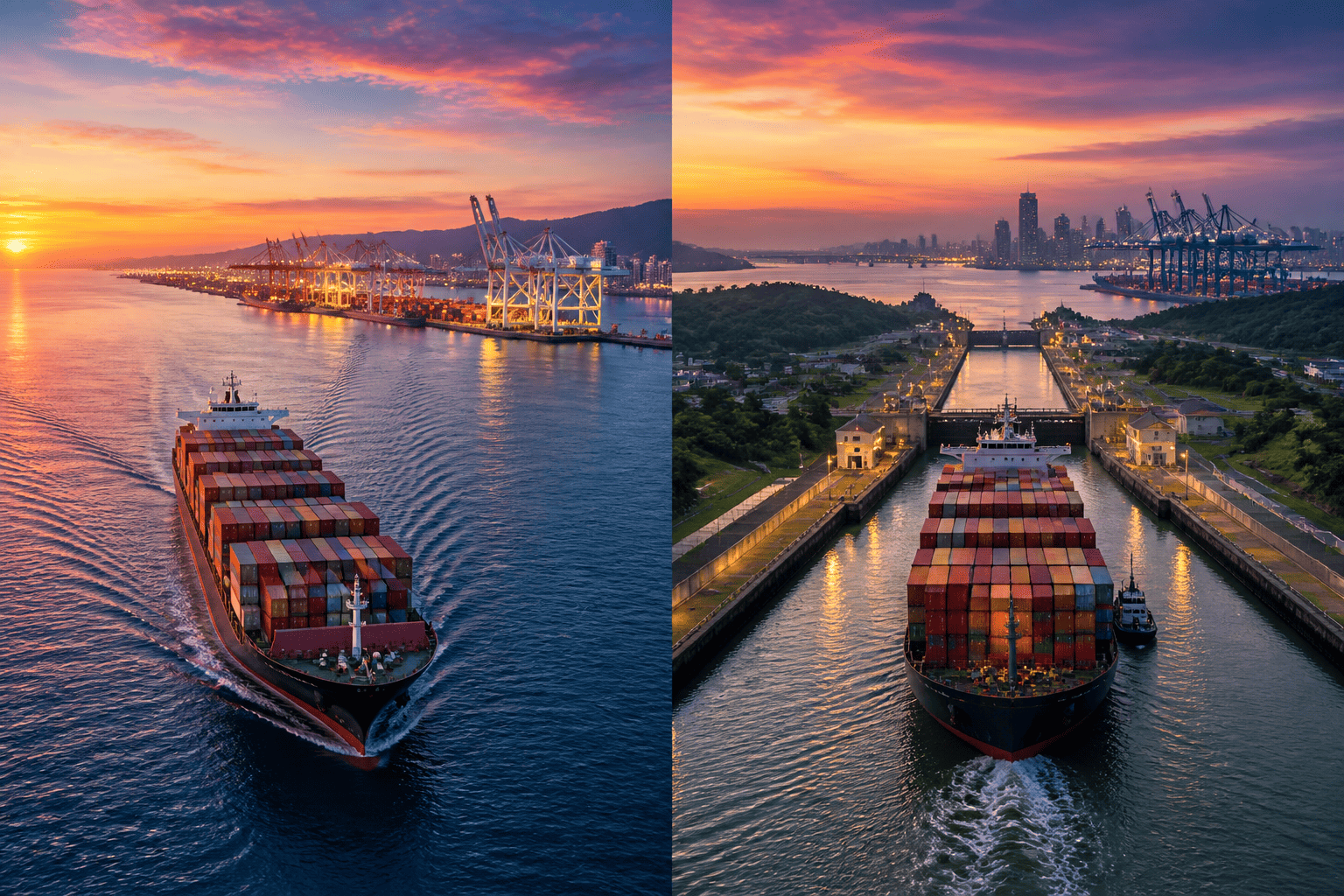
Many brand founders look only at ocean freight rates. They see a cheaper rate to Los Angeles and book it. But real-world shipping is full of surprises like port delays, railway backlogs2, and Amazon's split-shipment penalties. If you only look at port-to-port prices, you are missing the bigger picture. In my work with fast-growing brands, I see how these hidden factors eat up profits. Let us break down the exact logistics mechanics so you can protect your margins.
Why Is Ocean-Freight-Only Costing Bad for Your Amazon Bottom Line?
Cheap ocean rates to LA look great until Amazon sends your cargo to East Coast warehouses. This mistake triggers massive unexpected inland trucking fees that destroy your product margins.
Evaluating routing solely on ocean freight rates creates an illusion of savings. You must calculate the total landed cost, which combines port-to-port ocean freight, local port drayage, regional transloading3 fees, and Amazon's dynamic inbound placement fees4 across your final destination network.
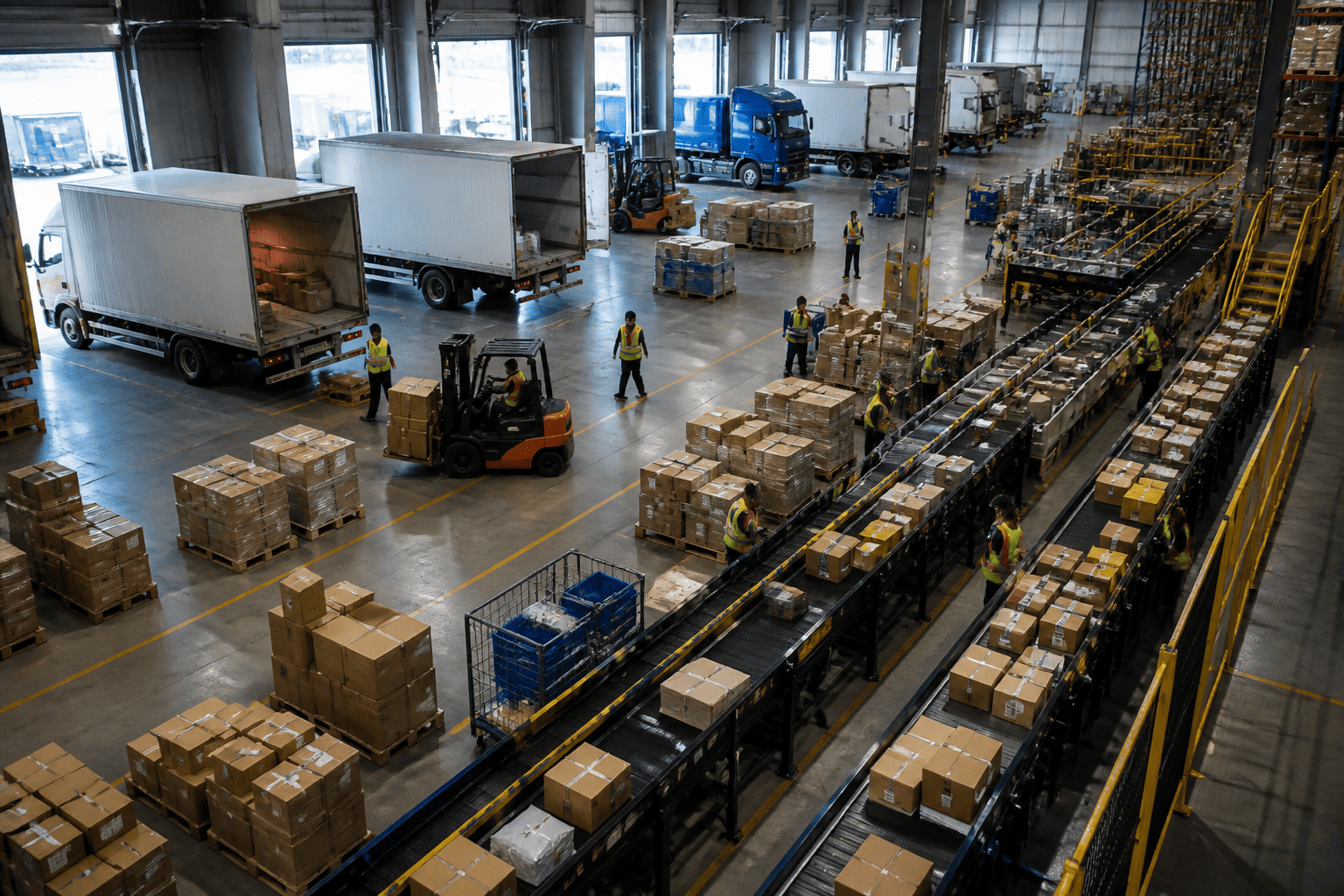
The Reality of Dynamic Amazon Placement Fees
In my daily consultations with DTC brands, I see this mistake constantly. A shipper books a cheap container to the Port of Los Angeles. They think they saved money. However, Amazon’s algorithm demands the goods go to fulfillment centers in Indiana or Pennsylvania. The shipper must then pay for expensive long-haul trucking or accept Amazon's high split-shipment fees. Suddenly, the cheap West Coast shipping plan becomes incredibly expensive.
How Regional Transloading Saves Your Margin
To beat this, smart importers do not ship directly to Amazon from the port. Instead, they use regional transloading. We pull the container from the Los Angeles port to a local warehouse nearby. We open the container, sort the goods, and ship them locally. This step bypasses Amazon's national placement penalties. The table below shows how the costs compare when you look at the entire journey instead of just the ocean leg.
| Cost Component | West Coast Port + MLB Rail | West Coast Port + Transload + Truck | Direct East Coast All-Water |
|---|---|---|---|
| Ocean Freight | Low | Low | High |
| Transit Time | Medium (22-28 days) | Fast (16-20 days) | Slow (30-35 days) |
| Inland Drayage / Rail | High | Medium | Low |
| Amazon Placement Fee | High (if unsplit) | Low (regional split) | Low (for East FCs) |
| Total Landed Risk | High rail delay risk | High labor cost risk | Canal congestion risk |
Using this layout helps you see where the money actually goes. You can see that paying more for ocean freight to the East Coast can actually save you money on inland trucking.
Should You Choose All-Water East Coast Shipping or the West Coast Mini-Land Bridge?
Slow transit times via canals cause stockouts, but fast overland rail routes suffer from constant labor threats and chassis shortages5. Importers struggle to balance these unpredictable transportation risks daily.
All-water routes to the East Coast via the Panama Canal offer stability and lower handling risk but face environmental delays. Conversely, the Mini-Land Bridge (MLB)6 route via West Coast ports and rail is faster but exposes cargo to rail yard bottlenecks7 and chassis shortages.
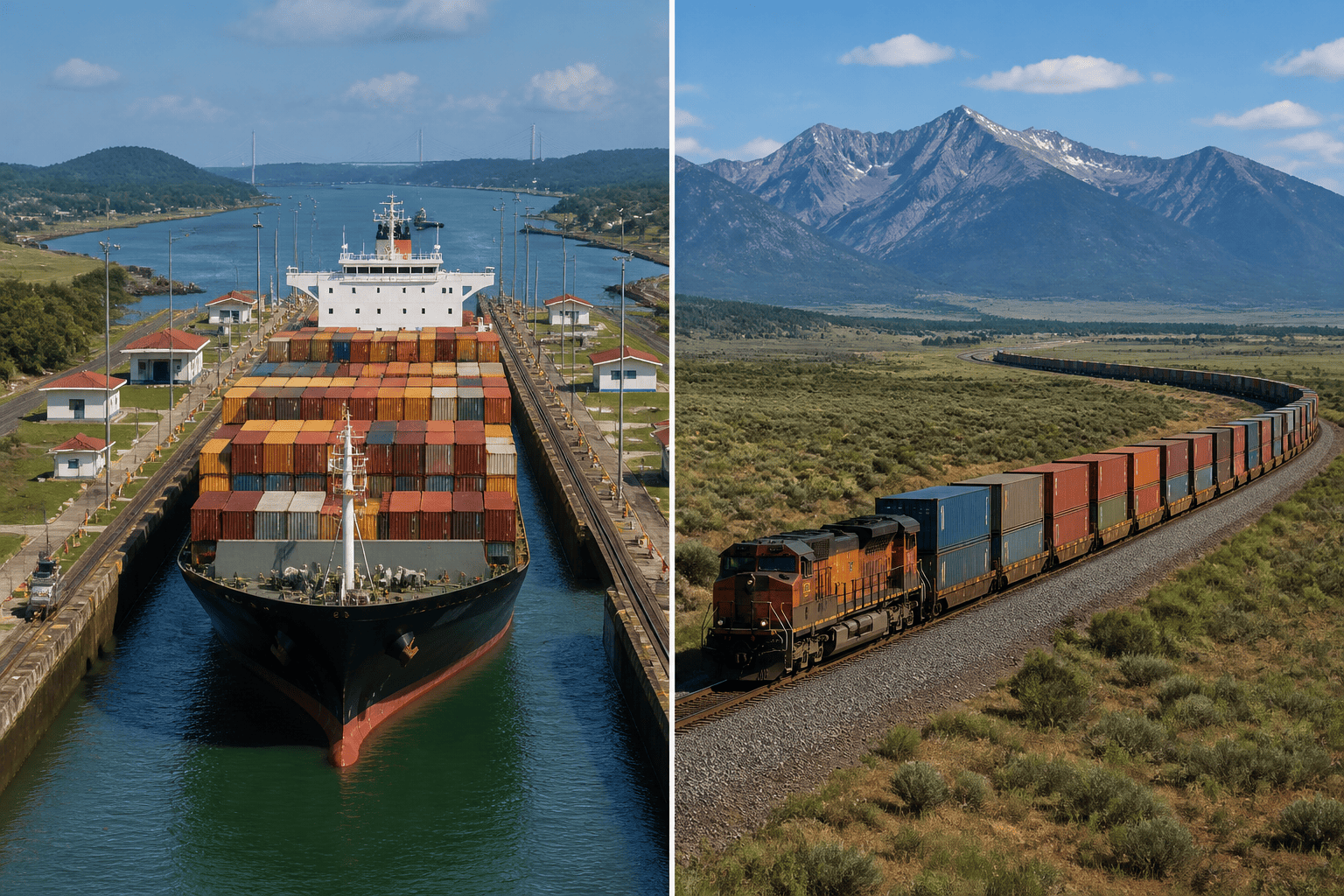
Choosing Your Risk: Water vs. Rail
When I help clients design their supply chains, I explain that transit times are never static. The all-water route to New York or Savannah8 sounds simple. You put the container on a ship in Shanghai, and it stays there until the East Coast. This route reduces cargo handling, which means fewer damages. But you are at the mercy of the Panama Canal. Droughts9, political issues, or congestion can instantly add two weeks to your timeline.
Managing the Mini-Land Bridge Variables
The West Coast Mini-Land Bridge (MLB) uses rail to move containers from LA to East Coast rail ramps. It is much faster when everything works. However, the MLB has many moving parts. You need a chassis at the port, a slot on the train, and a truck driver at the final rail ramp. If there is a labor dispute or a rail yard backlog, your cargo gets stuck. The table below outlines these major operational trade-offs to help you decide which risk you can tolerate.
| Strategy Route | Main Route Path | Typical Transit Variables | Best Used For |
|---|---|---|---|
| All-Water (USEC) | China -> Canal -> East Coast Port | Canal water levels, port labor disputes | Heavy, low-margin, seasonal stock |
| Mini-Land Bridge (MLB) | China -> West Coast Port -> Rail | Rail yard dwell times, chassis availability | Mid-value items with steady demand |
| Express West Coast + Truck | China -> LA Port -> Cross-Country Truck | Highway weather, team driver availability | High-value, urgent replenishment |
Understanding these paths helps you choose the right path for your specific product type.
How Does Inventory Velocity Change Your Financial Routing Decisions?
Holding too much stock ties up your cash flow, while running out of stock kills your sales rankings. Balancing inventory speed and transit costs is a constant financial battle.
High-value, fast-turning SKUs benefit from fast 14-day West Coast transit times10 because speed reduces tied-up working capital11. Low-margin, heavy, or seasonal goods are better suited for slower, lower-cost East Coast all-water routes where storage costs are easier to manage.
The True Cost of Capital in Transit
I often tell clients that inventory on water is dead money12. If your product is expensive to manufacture, every day it spends on a ship costs you cash. Shipping a $100 item via a 35-day all-water route keeps your money locked up. Shipping that same item via a fast 14-day ocean service to Los Angeles frees up your capital two weeks faster. You can reinvest that cash into marketing or new inventory.
Matching Your SKU Profiles to the Right Coast
For cheap, heavy items like furniture or fitness weights, the cost of capital is low, but shipping costs are high. Speed does not save enough money to cover the high price of fast trucking. These products must go via all-water routes to the closest port to keep the margins intact. We use a simple framework to match SKU profiles with the best shipping strategies.
| SKU Type | Margin Profile | Inventory Velocity | Recommended Coast Routing |
|---|---|---|---|
| Electronics & Cosmetics | High Margin | High Turn (Fast) | West Coast (LAX) + Express Trucking |
| Furniture & Bulky Goods | Low Margin | Low Turn (Seasonal) | East Coast (All-Water) to local node |
| Apparel & Fast Fashion | Medium Margin | High Turn (Unpredictable) | West Coast Transload to regional warehouses |
By using this SKU-based strategy, you can make sure you do not waste money on fast shipping for slow-moving items.
Conclusion
Successful China-to-US shipping requires looking past ocean rates. Balance your inventory velocity with total landed costs to choose the best West Coast or East Coast strategy for your brand.
"[PDF] Total Landed Cost Model - DSpace@MIT", https://dspace.mit.edu/bitstreams/badfa520-bcc4-466f-979a-af3ae001d7f1/download. Academic literature on global sourcing defines total landed cost as the sum of all expenses associated with purchasing and delivering a product to its final destination, emphasizing that focusing solely on freight rates leads to suboptimal routing decisions. Evidence role: definition; source type: paper. Supports: the comprehensive definition of total landed cost, including all logistics, customs, and handling fees beyond basic ocean freight. ↩
"Acute port congestion and emissions exceedances as an impact of ...", https://pmc.ncbi.nlm.nih.gov/articles/PMC9684847/. Studies on the 2021-2022 supply chain crisis at the Ports of Los Angeles and Long Beach illustrate how vessel queues and rail car shortages compounded to create severe inland distribution delays. Evidence role: case_reference; source type: research. Supports: the historical vulnerability of the US West Coast supply chain to port congestion and subsequent rail backlogs. Scope note: While historical data is robust, current port operations may experience different levels of efficiency due to post-pandemic infrastructure improvements. ↩
"What Is Transloading? A Complete Guide to Streamlined Freight ...", https://www.stgusa.com/news-notices/what-is-transloading/. Logistics frameworks define transloading as the transfer of cargo from one transportation mode to another, which in maritime import corridors serves to consolidate shipments and reduce inland drayage costs. Evidence role: definition; source type: education. Supports: the operational definition and cost-saving mechanics of transloading ocean cargo into domestic trailers near major ports. Scope note: The cost-effectiveness of transloading depends heavily on local labor rates and warehouse availability near the port of entry. ↩
"FBA inbound placement service fee - Amazon Seller Central", https://sellercentral.amazon.com/help/hub/reference/external/GC3Q44PBK8BXQW3Z?locale=en-US. According to Amazon's 2024 logistics policy updates, inbound placement fees are dynamically assessed based on whether a seller opts for single-destination or multi-destination shipping plans. Evidence role: definition; source type: other. Supports: Amazon's 2024 inbound placement fee structure, which charges sellers fees if they do not split shipments across multiple regional fulfillment centers. Scope note: Fee structures are subject to frequent updates by Amazon and may vary based on product size tier and seasonal promotions. ↩
"[PDF] An Assessment of Chassis Availability and Intermodal Goo - ROSA P", https://rosap.ntl.bts.gov/view/dot/73987/dot_73987_DS1.pdf. Research on port logistics highlights that chassis pool inefficiencies and shortages at major US gateways frequently disrupt the evacuation of containers, leading to increased dwell times. Evidence role: mechanism; source type: research. Supports: the systemic role of chassis availability in port congestion and intermodal supply chain bottlenecks. Scope note: Chassis availability varies widely depending on the specific port's operating model and the presence of interoperable chassis pools. ↩
"Intermodal freight transport - Wikipedia", https://en.wikipedia.org/wiki/Intermodal_freight_transport. In transport geography, the Mini-Land Bridge (MLB) refers to an intermodal system where ocean cargo is discharged at a port on one coast and moved by rail to a port city on the opposite coast under a single ocean bill of lading. Evidence role: definition; source type: education. Supports: the definition and operational structure of the Mini-Land Bridge (MLB) intermodal rail system in the United States. ↩
"Freight and Congestion - FHWA Office of Operations", https://ops.fhwa.dot.gov/freight/freight_analysis/freight_story/congestion.htm. Data from the US Bureau of Transportation Statistics indicates that inland rail hubs frequently experience congestion, resulting in elevated container dwell times during peak shipping seasons. Evidence role: mechanism; source type: government. Supports: the occurrence of bottlenecks and high container dwell times at major US inland rail hubs. Scope note: Congestion levels are highly cyclical and correlate strongly with overall import volumes and labor availability. ↩
"[PDF] Analysis of Intermodal Vessel-to-Rail Connectivity - ROSA P", https://rosap.ntl.bts.gov/view/dot/58269/dot_58269_DS1.pdf. Comparative logistics studies show that all-water routes to the US East Coast minimize the physical handling of containers, thereby reducing the statistical risk of cargo damage associated with rail ramp transfers. Evidence role: general_support; source type: paper. Supports: the operational trade-offs of all-water routes, including reduced cargo handling steps compared to intermodal rail transshipment. Scope note: This benefit must be weighed against the significantly longer transit times and potential canal transit surcharges. ↩
"Fees and Foreign Influence: Examining the Panama Canal and Its ...", https://www.fmc.gov/ftdo/statement-of-chairman-louis-e-sola-to-the-senate-committee-on-commerce-science-and-transportation-fees-and-foreign-influence-examining-the-panama-canal-and-its-impact-on-u-s-trade-and-n/. Reports from the Panama Canal Authority and the Congressional Research Service document how severe droughts in the Gatun Lake watershed have historically forced transit reductions, causing global shipping lines to reroute or face extended delays. Evidence role: historical_context; source type: institution. Supports: how environmental droughts in the Panama Canal watershed lead to draft restrictions and daily transit limits for container vessels. Scope note: The severity of these delays fluctuates seasonally based on regional rainfall patterns and canal management strategies. ↩
"Shipping From China to US [Updated June 2026 ] | Freightos", https://www.freightos.com/shipping-routes/shipping-from-china-to-the-united-states/. Industry transit schedules from premium ocean carriers demonstrate that express services from Shanghai to Los Angeles can achieve port-to-port transit times of 11 to 14 days. Evidence role: statistic; source type: other. Supports: the feasibility of achieving a 14-day ocean transit time from China to the US West Coast using express ocean services. Scope note: These transit times represent port-to-port ocean legs and do not account for origin customs clearance or destination port discharge times. ↩
"Inventory Carrying Costs: Analysis, Calculation, and Reduction", https://intuendi.com/resource-center/inventory-carrying-costs/. Supply chain finance theory dictates that reducing transit lead times directly lowers pipeline inventory, thereby freeing up working capital that would otherwise be tied up in unpaid goods-in-transit. Evidence role: general_support; source type: education. Supports: the financial relationship between transit lead times, pipeline inventory levels, and working capital requirements. Scope note: The financial benefit is highly dependent on the cost of capital of the importing firm and the unit value of the goods. ↩
"What are opportunity costs? ➡️ Logistics lexicon - proLogistik Group", https://www.prologistik.com/en/logistics-lexicon/opportunity-costs/. Supply chain finance literature establishes that inventory in transit incurs a capital carrying cost equal to the firm's weighted average cost of capital (WACC), representing an opportunity cost of capital that cannot be deployed elsewhere. Evidence role: expert_consensus; source type: paper. Supports: the financial concept of pipeline inventory carrying costs and the opportunity cost of capital tied up during transit. ↩